



AI agents are becoming one of the biggest practical technology trends of 2026. Unlike simple chatbots, an AI agent can follow instructions, use business data, connect to tools and complete multi-step tasks such as answering a customer, updating a CRM, summarizing a call or preparing a follow-up message.
For Tanzanian SMEs, this matters because many growing businesses still lose time in manual communication. A customer asks for prices on WhatsApp, another sends an inquiry through the website, someone else calls about a booking, and the team has to remember who replied, what was promised and what needs to happen next. AI agents can help bring order to that flow.
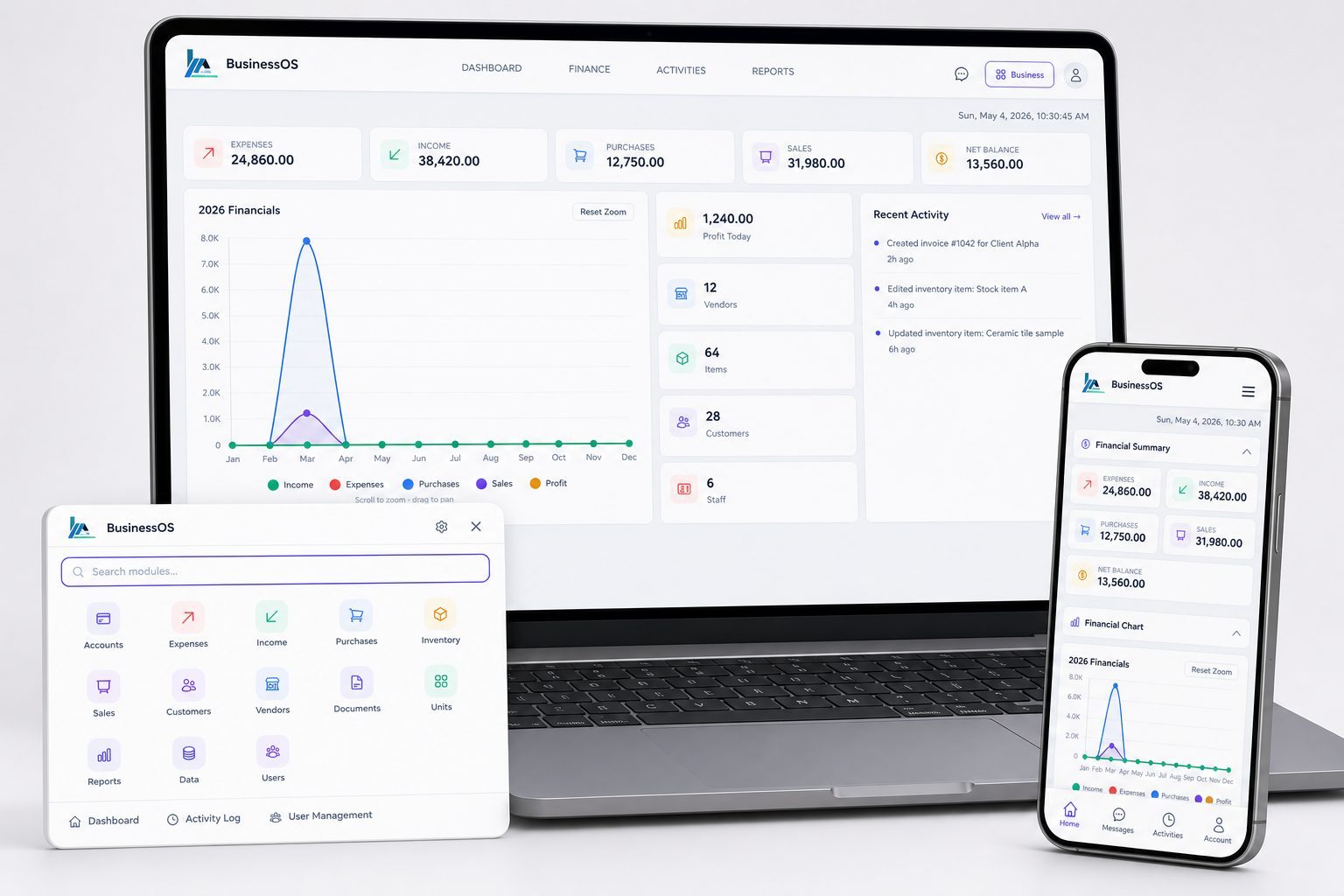
The best place to start is not with a huge system. Start with one clear business problem. If leads are not being answered fast enough, build an agent that welcomes customers, asks the right qualification questions and sends serious inquiries to the sales team. If support questions repeat every day, build an agent that answers common questions from approved company information. If reports take too long, build an agent that summarizes requests, invoices, bookings or customer feedback into a simple dashboard.
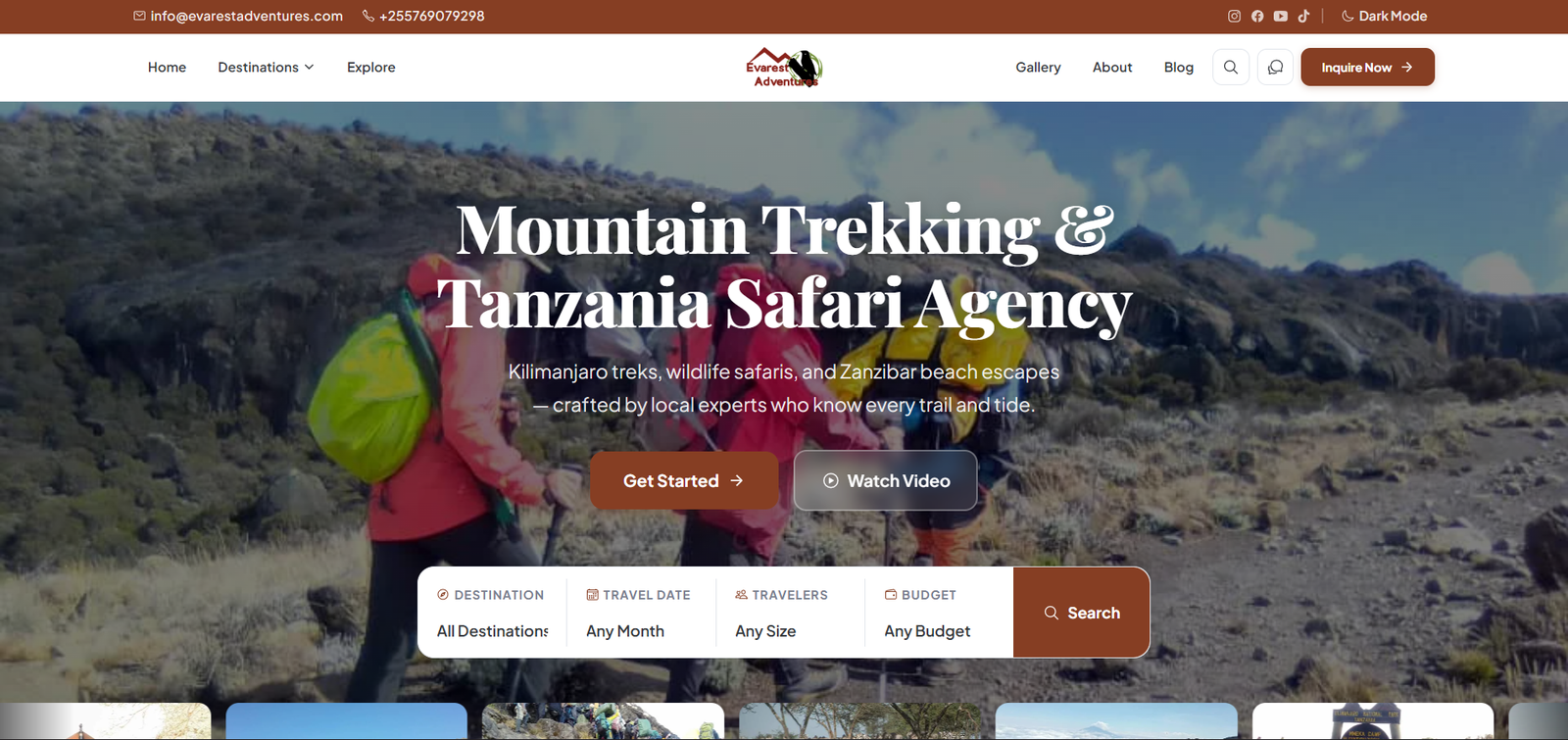
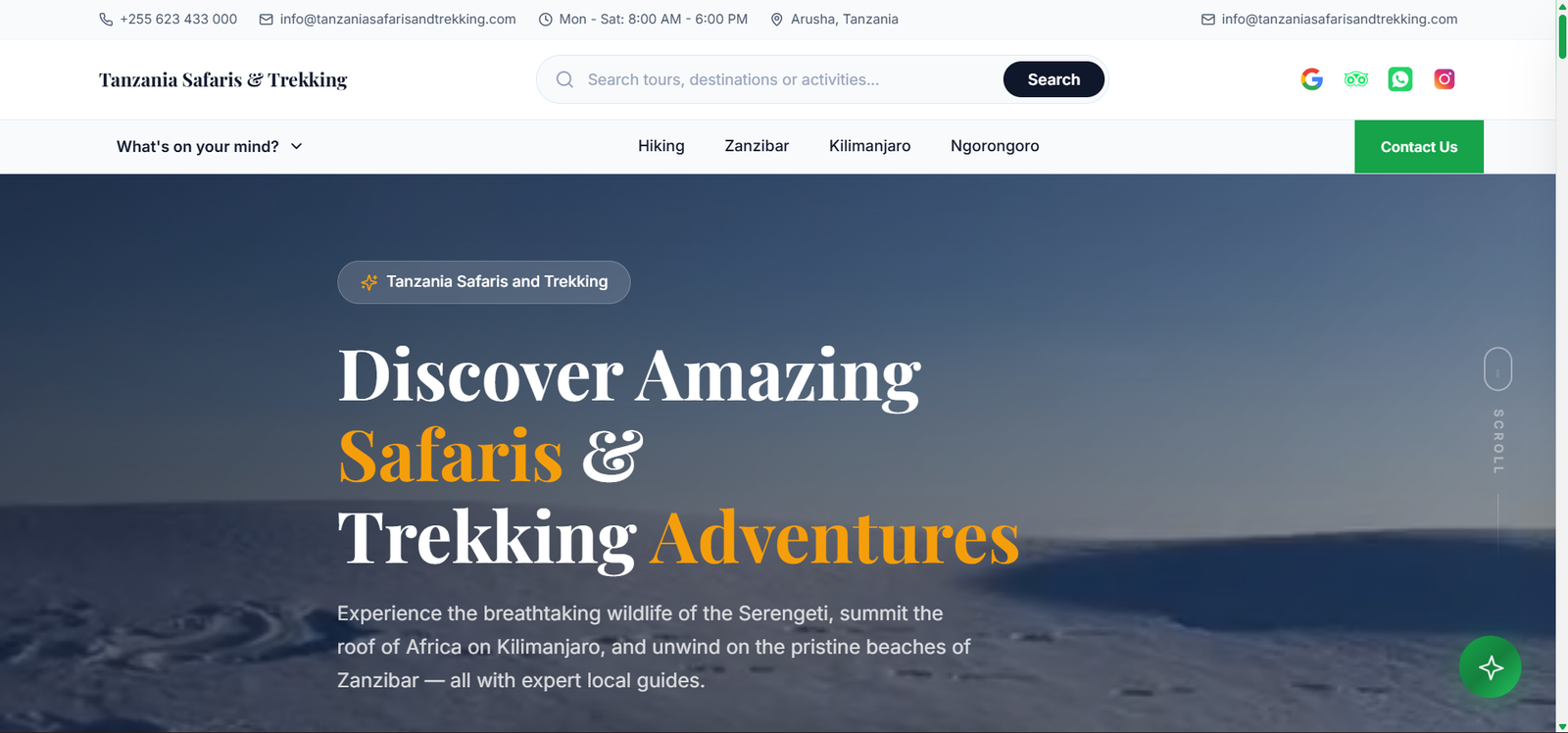
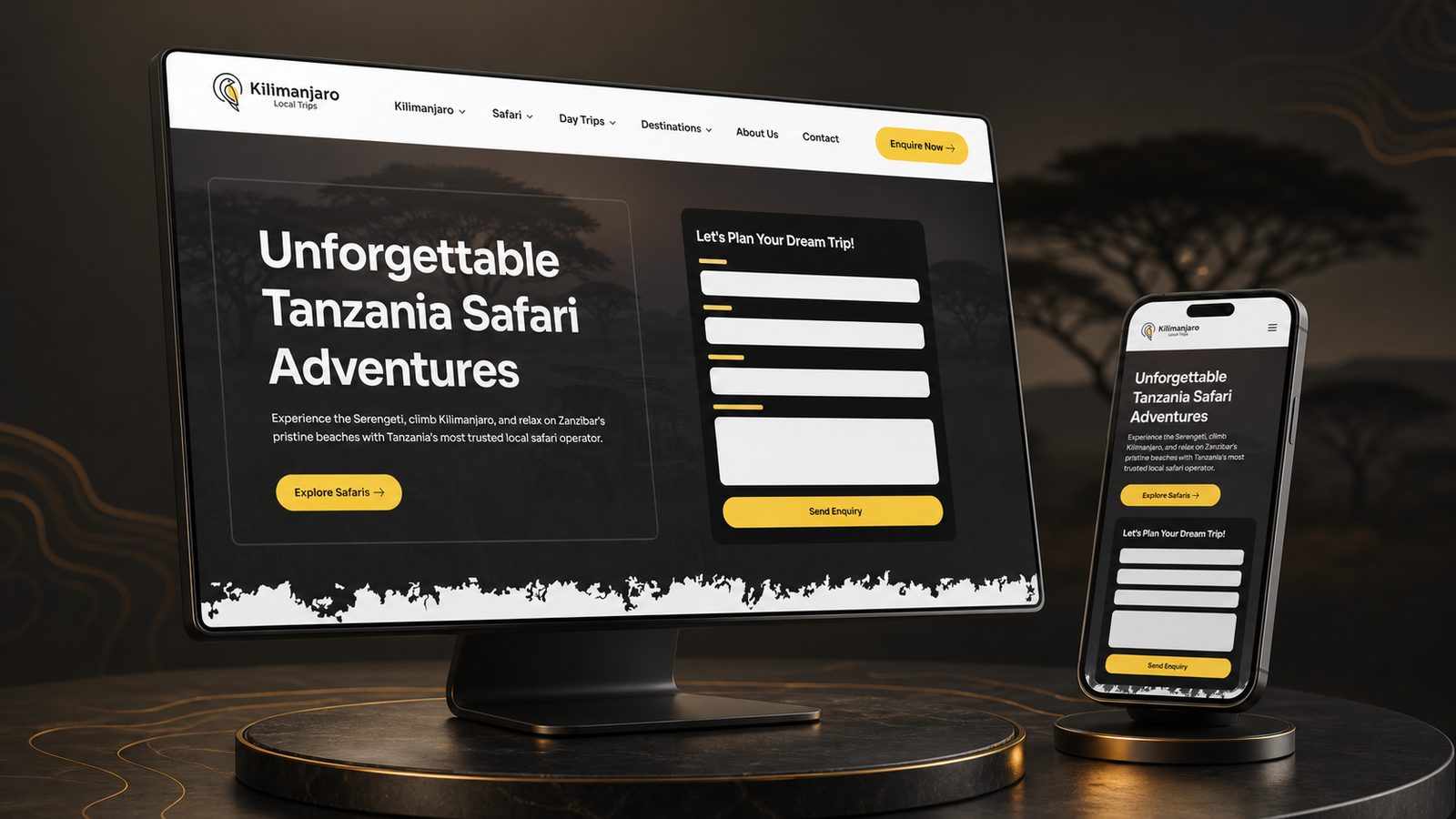
AI agents can also support marketing and sales. They can turn service information into social media drafts, prepare blog outlines, write proposal first drafts, summarize customer conversations and remind the team to follow up. When connected to a website, CRM, email or WhatsApp workflow, the agent becomes more than a writing tool. It becomes a small digital coworker that helps the team move faster.
But automation should not remove the human touch. Customer trust is still built by people. The agent should know when to stop and hand over to a staff member, especially when a customer is angry, confused, making a payment, asking for a custom quote or sharing sensitive information. Good AI implementation is not about replacing everyone. It is about removing repetitive work so people can focus on judgment, relationships and decisions.
Data quality is another important lesson. An AI agent is only as useful as the information it can access. If prices, services, FAQs, project status and customer records are scattered across notebooks, old spreadsheets and private chats, the agent will struggle. Before automating, a business should organize its knowledge: service packages, pricing rules, company policies, customer questions, sales stages and internal responsibilities.
A practical roadmap for an SME can be simple. First, map the workflow that wastes the most time. Second, write down the information the agent is allowed to use. Third, decide what the agent can do alone and what must be approved by a person. Fourth, connect the agent to one channel, such as the website or WhatsApp. Fifth, measure results: response time, number of qualified leads, missed inquiries, customer satisfaction and staff hours saved.
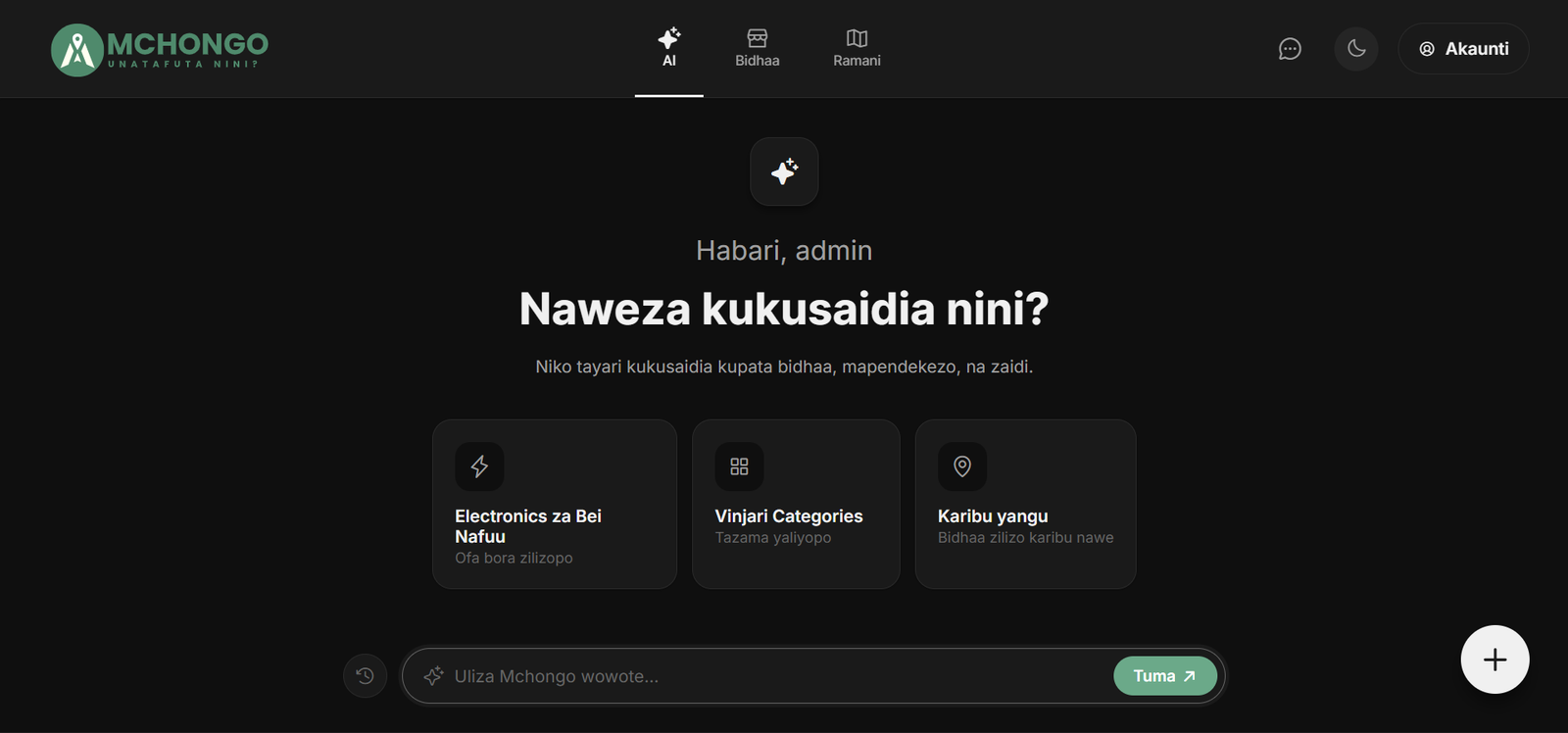
The strongest opportunity for Tanzanian businesses is local relevance. AI agents should understand the language, market, prices, locations and customer habits of the business they serve. For many companies, that means supporting both English and Kiswahili, working well on mobile, and connecting to the channels customers already use every day.
At The Modern Companies, we see AI agents as part of a bigger modernization journey. A good website, clean data, automation, cloud systems and human-centered design all work together. When these foundations are in place, AI becomes more reliable, more useful and easier to scale.
In 2026, the winning businesses will not be the ones that use AI because it is fashionable. They will be the ones that use AI to solve real problems: faster customer response, better follow-up, clearer operations, stronger sales visibility and more consistent service. Start small, keep humans in control, measure the result and improve step by step.